What Is Just-in-Time Catching Test Generation?

Just-in-Time Catching Test Generation creates tests on-the-fly with large language models to catch bugs before they land. Learn why it exists and how it works.
Just-in-Time Catching Test Generation creates tests on-the-fly with large language models to catch bugs before they land. Learn why it exists and how it works.
Logical fallacies like sunk cost, false dichotomy, and confirmation bias derail software projects. Learn to recognize and avoid faulty reasoning traps.

A curated directory of software engineering blogs from leading technology companies. Find engineering blogs from Meta, Google, Netflix, AWS, and more. Includes RSS feeds and covers system design, API development, and DevOps practices.
API design fundamentals for contracts, compatibility, and reliability, so integrations stay predictable as systems evolve.

Understand why naming matters in software: how clear names improve readability, reduce bugs, and make code easier to understand, maintain, and modify over time.

Understand why software maintainability matters: how code quality, technical debt, refactoring, and design patterns create systems that are easier to modify, debug, and extend over time.
Software caching explained: why caches speed up systems, where they fail, and how to think about freshness, consistency, and cache misses.

CI/CD and release engineering fundamentals: automation, feedback loops, deployment strategies, and why continuous integration prevents integration hell.

Software availability explained: uptime metrics, redundancy patterns, health checks, and graceful degradation for keeping systems accessible.
Algorithmic patterns reference: two pointers, sliding window, dynamic programming, and 30+ more. Learn to spot patterns and solve problems faster.
Algorithmic patterns explained: why patterns work, how patterns combine, and how to practice recognition without memorizing solutions.

CPU vs GPU vs TPU: learn how processing architectures differ, when to use each, and how latency, throughput, and data movement shape performance.
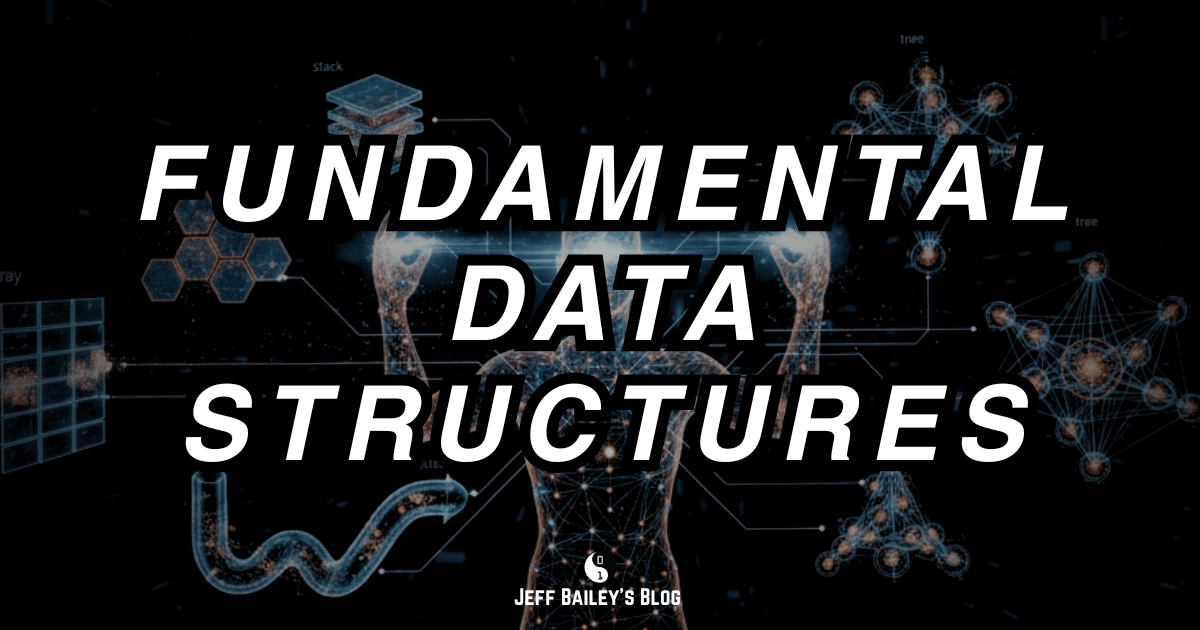
Data structures guide: arrays, hash maps, sets, stacks, queues, trees, graphs. Types, properties, when to use in Python, JavaScript, Java, C++, Go, Rust.

Master data structure fundamentals: arrays, hash maps, trees, and graphs. Learn how structure choices shape algorithm performance, reliability, and developer sanity.
Master algorithm fundamentals: data structures, Big O notation, and runtime complexity. Learn how algorithmic thinking helps build fast, reliable software and prevent production incidents.